What is a flagged element list in bridge inspection?
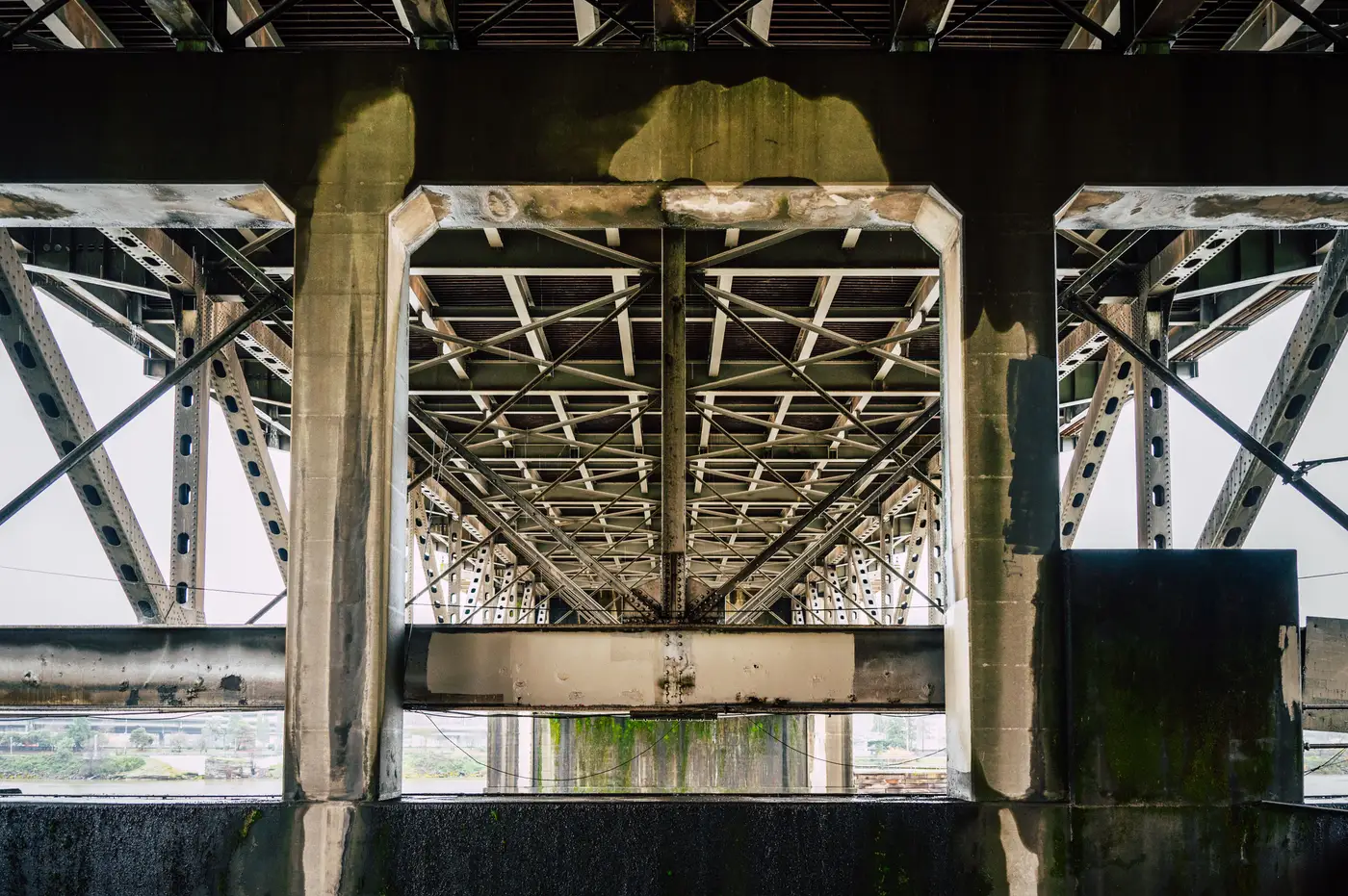
A flagged element list is exactly what it sounds like: a list of specific elements on a structure, by element number and location, that show signs of distress and need someone to get closer and call a condition state. It points the inspection crew at those elements instead of standing in for the full inspection report.
Say you've got a four-span continuous steel girder bridge. Your element inventory has maybe a dozen elements on it: deck, top flange, bottom flange, bearings, pier caps, abutments, and so on, each with its own NBI element number and condition state breakdown. A flagged element list doesn't rewrite that inventory. It tells you that Girder 3, Span 2, bottom flange has a rust stain running down from a deck joint, and that the pier cap at Bent 4 has a spall exposing rebar near the bearing seat. Everything else on the structure isn't on the list, because nothing changed there that you could see.
Where it fits in the inspection cycle
Most agencies run element-level inspections on a two-year cycle, sometimes annual for fracture-critical or scour-critical structures. Between those cycles, or ahead of a scheduled inspection, you often don't know which structures on your inventory have changed since the last visit and which haven't. A snooper truck or rope-access crew costs real money and real lane closures to mobilize, and you don't want to burn that budget on a structure that hasn't changed when three others on your list have a pier cap getting worse.
That's the gap a flagged element list closes. It stands as a screening step ahead of the element-level inspection, the one that produces condition states and feeds into your bridge management system: a pass over the structure that flags which elements show enough visible change (spalling, staining, section loss) to justify sending a crew with access equipment to go look at them properly and assign a condition state.
Think of it the way a maintenance supervisor thinks about a windshield survey, except instead of a truck driving under the bridge once a year with binoculars, it's a repeatable pass that covers the elements a ground survey can't see: the underside of the deck, the top of a pier cap, a fascia girder over water.
What goes into one, and what doesn't
A flagged element list is narrow by design. It names:
- the element (girder, pier cap, bearing, abutment, deck underside)
- its location on the structure (span, bent, or station reference)
- what was observed (spalling, rust staining, exposed rebar, visible section loss)
A flagged element list doesn't assign a condition state or estimate remaining capacity, and it doesn't replace the inspector's judgment call once access equipment is on site. An inspector still has to get within arm's reach, sound the concrete, measure the loss, and write the finding that goes into the bridge file. The flagged list just tells that inspector where to point the truck before it rolls.
That's where the budget math changes. If you manage forty structures and know going in that six of them have flagged elements since last year, you scope the snooper truck or close-up follow-up around those six, instead of running the full fleet past every structure on the inventory on the same schedule regardless of what changed.
How a screening pass produces the list
A screening pass works from imagery instead of a lane closure. A drone, or where terrain or airspace calls for it a crewed aircraft, flies the structure and captures RGB imagery at a ground sample distance under 10 cm, close enough to pick up a hairline crack pattern or a staining plume on a girder web. That imagery gets compared against last year's pass, and the result is the flagged element list: the elements showing new or worsening spalling, staining, or section loss since the last pass.
Run annually, it gives you a record of which elements on each structure are trending toward needing attention, before the maintenance budget gets spent chasing the whole inventory. Structure Screening runs that pass once a year and hands back the flagged element list for your inventory, so the access equipment goes where it's needed.
If you're deciding where to send a crew with access equipment next season, start with a screening pass over the full inventory and let the flagged list tell you where to look first.