Screening culverts for section loss without a confined space entry
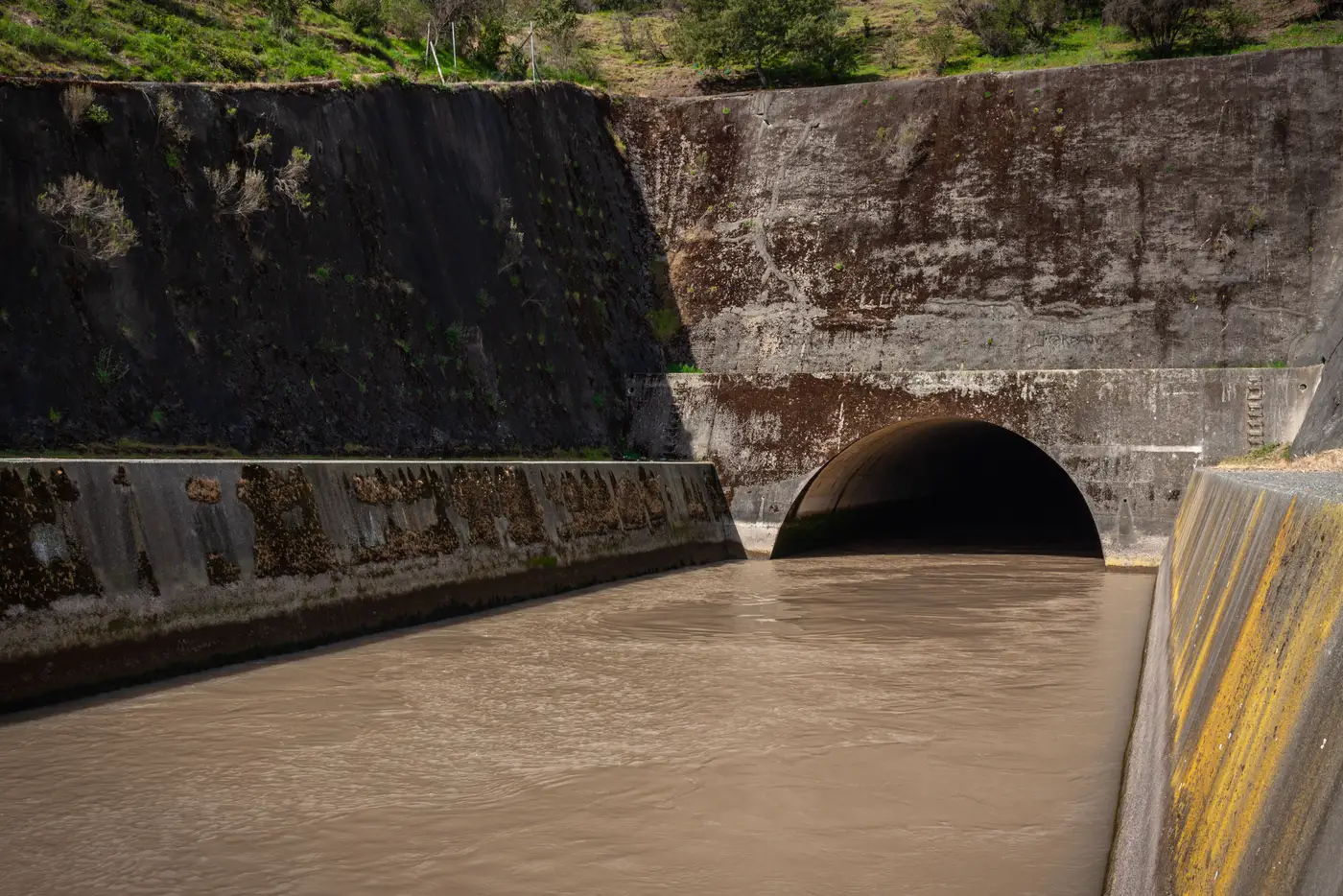
Confined space entry is the most expensive line item in most culvert programs, and it's not the inspection itself that costs the money. It's everything that has to happen before anyone climbs down.
A standard entry means atmospheric testing, a permit, an attendant posted outside, retrieval gear, and a minimum two-person crew for anything rated non-routine. For a culvert barrel full of silt, standing water, or a history of H2S buildup, you're adding air monitoring equipment and sometimes a rescue standby contract on top of that. None of it is optional once OSHA 1910.146 applies, and multiply that setup cost across a few hundred culverts in a county or DOT inventory and you can see why programs fall behind on their own inspection cycle.
Why crews end up entering culverts that didn't need it
Most agencies don't have a condition baseline going into the field season. Without one, the only way to know which culverts have real section loss is to enter all of them, because nobody wants to be the inspector who skipped the one that was actively failing. That's the trap: the entry protocol exists to protect the crew, but the lack of any screening step in front of it means the protocol gets triggered for culverts that turn out to be in fine shape.
The fix is a condition baseline built before the season starts, so confined space procedures get triggered for the culverts showing real distress instead of the whole inventory on a rotation.
What you can actually see from outside the barrel
A lot of culvert deterioration shows up at the ends before it shows up deep in the barrel, and the ends are the part you don't need a permit to look at. Headwall and wingwall spalling, rust staining running down from joints, exposed rebar at the inlet, scour and undermining around the footing, and visible crown deflection at the outlet are all things a camera can pick up from a safe standoff distance. None of that requires anyone to be inside the pipe.
This is where an aerial screening pass earns its keep. Flying the structure at sub-10 cm ground sample distance with an RGB camera captures headwall condition, visible staining patterns, and surrounding embankment detail in enough resolution to flag which structures look different from last year. Run it on an annual cadence and you start building the thing most culvert programs never have: a year-over-year record of which structures are changing and which aren't moving at all.
That record doesn't replace a rated inspection and it isn't trying to see section loss happening twenty feet down a dark barrel. What it does is sort the inventory before the field season starts, so the confined space crew gets dispatched to the structures showing active distress at the ends instead of working through the list in whatever order the spreadsheet happens to be sorted.
Screening pass versus full inspection
Think of the screening pass as the thing that happens before the permit, not instead of it. The annual flyover gives you a flagged list: structures with visible staining increase, new spalling at the wingwall, or scour that's progressed since last year. Your team decides from that list which culverts go to the top of the confined-space queue this cycle and which ones can wait, because nothing in the imagery suggests anything has changed.
For an inventory where entry costs are driven by headcount and permit overhead rather than by the inspection itself, that sorting step is where the time gets saved. You're still sending qualified crews into the culverts that need it. You're just not sending them into all of them to find out which ones those are.
Structure Screening runs that annual aerial pass across a structure inventory and hands back a flagged element list, the same logic bridge owners use to decide which spans actually need a snooper truck or rope-access crew before they rig one. If your culvert program is still entering every structure to build that list by hand, see how a screening pass fits ahead of your inspection cycle.