Field notes: the pier cap nobody put on this year's rope-access schedule
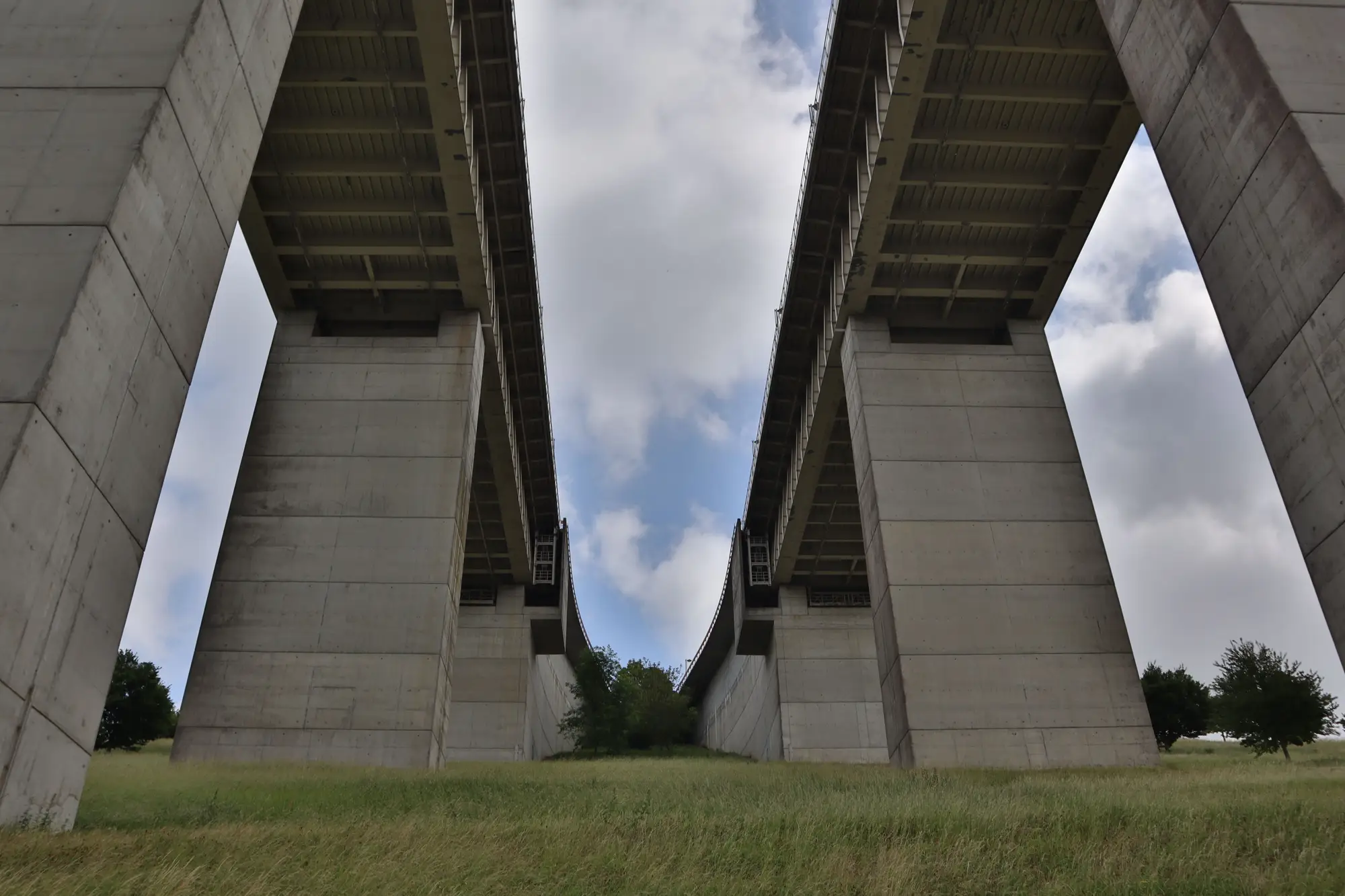
The cap in question sits on Pier 4, tucked under a skew where the bent meets a retaining wall, and from the deck you can't see it at all. You'd have to lean over the rail at a specific angle, on a specific side, to catch even a sliver of it. Everyone who's walked that bridge for the last three inspection cycles has walked right past it.
This is the normal way a pier cap drops off a schedule, and the mechanism is worth writing down, because it's more interesting than the miss itself.
Rope access and snooper schedules get built from last cycle's notes, mostly. A crew lead or a bridge inspector pulls up what got flagged before, adds anything that's come in from maintenance complaints or a routine walk-around, and that becomes this year's list. It's a reasonable way to work when the list is accurate. The problem is that the list only grows from things someone already looked at closely enough to write down. A cap that nobody rigged for last year doesn't get a note saying "nobody rigged for this." It just isn't there.
So the gap compounds. Year one, the cap gets skipped because the crew ran out of daylight and it looked fine from the shoulder. By year two, it isn't on the list because it wasn't on last year's list. By year three, someone new is doing the scheduling and has no idea the cap was ever a question mark, because there's no record of a question ever being asked.
Staining is usually what finally catches it, and usually by accident. Someone's under the bridge for an unrelated reason, a drainage complaint or a utility conflict, and they notice a streak running down from the cap that's been there long enough to have its own moss pattern. By the time that happens you're not scheduling a routine look. You're scheduling an urgent one, and now the rope-access crew that was booked three weeks out for four other structures gets pulled off to deal with a cap that should have been a five-minute visual two cycles ago.
None of this is anyone's fault in the way it feels like it should be. The crew lead didn't skip the cap out of carelessness. The scheduling process did exactly what it's built to do, which is prioritize what's already been flagged. The gap is structural, not personal, and it shows up on every inventory large enough that nobody holds the whole thing in their head at once.
What's changed the equation a little, for the handful of agencies and owners who've started doing it, is running a pass over the whole structure before the rope-access list gets drawn up at all. Not instead of the hands-on inspection, ahead of it. A screening flight picks up the cap that nobody's been able to see from the deck, along with the staining running down from it, and puts it on a list of things worth sending a crew to before the crew gets booked. It doesn't replace the person who clips in and gets three feet from the concrete. It decides who that person should be clipping in for.
If you manage an inventory where the rigging budget gets spent on last year's list instead of this year's condition, a screening pass before the schedule locks catches the caps and piers that have fallen off everyone's radar for three cycles running, on inventories too large for anyone to hold the whole list in their head.
The cap on Pier 4 is getting rigged this spring, as it happens. Someone finally asked the right question about it. The point of writing this down is that the question shouldn't have taken three years to get asked.