Field notes: the overpass we almost skipped because it looked fine from the shoulder
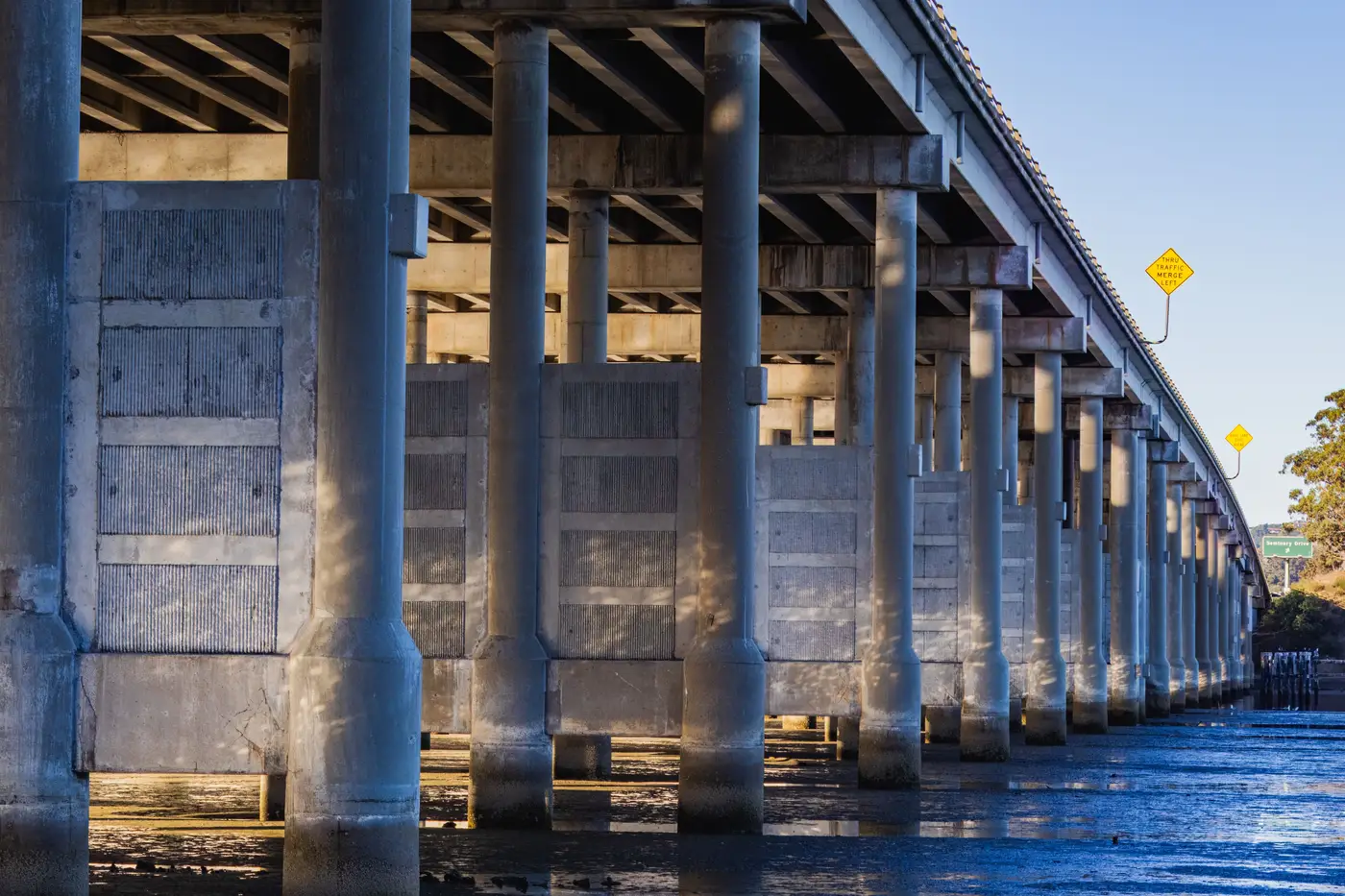
We were three structures into a six-structure day, running the kind of windshield survey every inventory manager has done a hundred times: pull onto the shoulder, walk the fascia, check the joints, glance at the abutments, move on. The overpass in question sits over a rural collector, low traffic, no history of trouble, nothing flagged in the last two cycles. From the shoulder it looked like what it was supposed to look like. Clean concrete, no visible cracking on the face, paint on the rail still holding. Somebody on the crew said "this one's fine" and started walking back to the truck.
It wasn't fine.
The only reason we know that is because the structure was already on the schedule for a screening pass that week, separate from the windshield survey, and the flagged element list came back two days later with staining on the underside of the deck near the north abutment and a section loss call on one of the fascia beam ends. None of that is visible from the shoulder. You'd need to be underneath it, looking up, which is exactly the angle nobody gets without a snooper truck or a rope-access crew already rigged and committed to that structure for the day.
This is the part of the job that's hard to explain to someone who hasn't stood on a shoulder squinting up at a deck soffit: the face of a structure and the underside of a structure tell you almost nothing about each other. Staining travels down from a joint or a crack you can't see from below, runs along a beam, and shows up as a dark streak thirty feet from where the water's getting in. Section loss on a beam end can sit tucked up against a bearing, in the shadow line, invisible unless you're close enough to touch it. The shoulder tells you about the deck edge and the rail. It doesn't tell you about the parts of the structure that are failing.
The inspection itself didn't change. Rope access and the snooper truck still do what they've always done once a structure gets flagged. What changed is the order of operations: we used to send the truck to every structure on a rotation and find out what was there when we got there. Now we get a flagged list first, covering the whole inventory, and the truck goes where the list says to go. The overpass that looked fine from the shoulder made the list. Two other structures we'd have rigged out of habit, because they were due, didn't.
A crew and a truck cost real money for a day's work, and that cost is better spent confirming a known problem than fishing for one. The screening pass doesn't replace the close-up work. It tells you which structures are worth the close-up work this cycle and which ones can wait.
The overpass is scheduled for a full rope-access inspection next month. When the crew gets up under that deck, they'll confirm what the screening pass already told us, and they'll do it knowing exactly where to look instead of working the whole soffit inch by inch hoping to spot something. The staining and the section loss will still be there. The only thing that changed is we knew about it before anyone drove out with a truck.
If your inventory has more structures than your snooper truck has days this year, it's worth seeing what a yearly pass over the whole list looks like before the next rotation starts. You can get a look at how Structure Screening runs that pass and what the flagged list looks like when it lands.
Walk your own shoulder surveys with that in mind, because the clean face is never the whole story. Give Structure Screening a look before you rig the next truck.